Live Chat Outsourcing: What Is It & Is It Worth It?

Every interaction a customer has with your business shapes their perception of your brand. A slow response, an unanswered question, or a delayed solution can quickly turn interest into frustration. Meanwhile, businesses are under growing pressure to provide immediate support while keeping operational costs down. This has led many companies to reconsider their approach to managing customer interactions communication.
Live chat outsourcing has emerged as a practical solution to this problem. Instead of building large internal teams, businesses are partnering with specialized providers to handle real-time customer conversations efficiently. But does this approach truly deliver long-term value, or does it come with hidden trade-offs? Let’s explore what live chat outsourcing really is and whether it’s worth considering for your business.
What Is Live Chat Outsourcing?
Live chat outsourcing involves hiring an external service provider to handle the live chat interactions on your website or app. Instead of depending only on an in-house support team, businesses assign customer conversations to trained external professional agents.
These agents operate as an extension of your brand. They answer customer questions, resolve issues, assist with purchases, and, in many cases, help convert visitors into paying customers. Importantly, customers usually have no idea they’re speaking with an outsourced representative.
Additionally, live chat outsourcing can be customized to your needs. Some businesses outsource support only during off-hours, while others rely on external teams for full 24/7 coverage.
How Live Chat Outsourcing Works
Understanding the process helps clarify why live chat outsourcing is so effective.
First, a business selects a live chat outsourcing provider. During onboarding, the provider gathers detailed information about products, services, brand tone, common questions, and escalation procedures. This phase ensures agents communicate consistently and accurately.
Next, the provider integrates live chat software into the business’s website or application. This software may be a popular platform or a custom-built solution.
Once everything is set up, trained agents begin handling chats in real time. They follow predefined scripts while adapting to each customer’s needs. However, if an issue becomes too complex, it is escalated to the internal team.
Finally, the provider delivers regular performance reports. These include response times, chat volume, satisfaction scores, and conversion metrics. As a result, businesses stay informed and in control.
Why Businesses Choose Live Chat Outsourcing
Companies turn to live chat outsourcing for several strategic reasons beyond cost reduction.
Rising Customer Expectations
Customers expect immediate answers. In many industries, even a short delay feels unacceptable. Therefore, outsourcing helps businesses consistently meet these expectations, even during peak traffic.
Better Use of Internal Resources
When internal teams handle repetitive inquiries, productivity suffers. Outsourcing live chat allows employees to focus on higher-value tasks such as product development, marketing, and strategy.
Flexible Growth and Scaling
Customer demand varies. Outsourcing simplifies scaling support up or down without the challenges of hiring, training, or layoffs staff.
Key Benefits of Live Chat Outsourcing
When executed properly, live chat outsourcing delivers measurable advantages.
24/7 Customer Support Availability
Outsourced teams often operate across multiple time zones. Consequently, businesses can offer round-the-clock support without overworking internal staff.
This is especially valuable for global brands, SaaS platforms, and e-commerce businesses.
Reduced Operating Costs
In-house teams require salaries, benefits, training, and management. Outsourcing transforms these fixed costs into predictable service fees, often resulting in significant savings.
Faster Response Times
Professional live chat agents are trained to handle multiple conversations efficiently. As a result, customers receive faster, more consistent responses.
Access to Trained Specialists
Many outsourcing providers specialize in specific industries. This expertise enables agents to quickly understand customer needs and provide accurate assistance from day one.
Improved Sales and Conversions
Lastly, live chat is a powerful sales channel. Outsourced agents can proactively engage visitors, answer pre-sale questions, and reduce cart abandonment, thereby increasing conversion rates.
Potential Drawbacks of Live Chat Outsourcing
Despite its benefits, live chat outsourcing comes with potential challenges. These can include:
Reduced Direct Oversight
Outsourcing means less immediate control over daily interactions. However, strong communication and clear KPIs can address this concern.
Brand Voice Alignment
If training is insufficient, agents may not fully reflect your brand’s personality. Regular feedback and updated guidelines are essential.
Data Privacy and Security
Customer data must be protected. Therefore, businesses should work only with providers that follow strict security and compliance standards.
Live Chat Outsourcing vs. In-House Live Chat
In-house live chat offers direct control and deep brand familiarity. However, it often requires a higher investment and limits scalability.
Conversely, outsourced live chat offers quick implementation, cost-effectiveness, and flexibility. It provides a more workable, long-lasting solution for many small and mid-sized enterprises.
How Much Does Live Chat Outsourcing Cost?
Pricing depends on factors such as chat volume, coverage hours, industry complexity, and customization.
Common pricing models include:
- Hourly rates
- Per-chat pricing
- Monthly subscription packages
However, costs can range from a few hundred to several thousand dollars per month. Nevertheless, increased efficiency and higher conversions often justify the expense.
How to Choose the Right Live Chat Outsourcing Provider
A strong provider can elevate your customer experience, while a poor one can damage your brand’s reputation. Therefore, this step deserves careful evaluation and a structured approach.
Assess Industry Experience and Expertise
First and foremost, look for a provider with proven experience in your industry. Live chat conversations in e-commerce, SaaS, healthcare, or financial services all require different levels of product knowledge, compliance awareness, and communication style.
An experienced provider will already understand common customer questions, buying behaviors, and support challenges within your niche. As a result, onboarding becomes faster, and agents deliver accurate responses sooner. Ask for case studies, client references, or examples of similar businesses they have supported.
Review Agent Training and Onboarding Processes
Next, evaluate how the provider trains its live chat agents. Strong training programs are essential for maintaining quality and consistency. Agents should be trained not only on general customer support skills but also on your specific products, services, and brand voice.
Additionally, ask how often training is updated. Your business evolves, and your live chat agents must stay aligned with new features, promotions, or policy changes. Providers that offer continuous training and performance coaching usually deliver better long-term results.
Evaluate Communication Skills and Language Proficiency
Since live chat relies entirely on written communication, language proficiency is non-negotiable. Agents must write clearly, professionally, and naturally. Poor grammar or robotic responses can quickly undermine customer trust.
Therefore, request sample chat transcripts or run a trial period to evaluate response quality. Pay attention to tone, clarity, empathy, and problem-solving ability. A good provider ensures agents sound human, helpful, and brand-consistent.
Is Live Chat Outsourcing Worth It?
For many businesses, live chat outsourcing is absolutely worth it. It improves response times, enhances customer satisfaction, and supports business growth without adding operational strain.
Nevertheless, selecting the appropriate partner and continuing to collaborate actively are essential for success. Live chat outsourcing can be a significant competitive advantage when viewed as a strategic alliance.
Final Thoughts
Live chat outsourcing is no longer just a cost-saving option. It is a strategic tool for delivering fast, professional, and scalable customer support. Moreover, as customer expectations continue to rise, businesses that invest in responsive live chat experiences will stay ahead.
So, if your goal is to improve customer engagement while controlling costs, worldwide CX outsourcing from a trusted provider deserves serious consideration.
Recent Blogs











































-












 The Importance of Customer Service in the BPO Industry The Business Process Outsourcing (BPO) industry is evolving, and a critical function it provides is the often under-appreciated customer service.
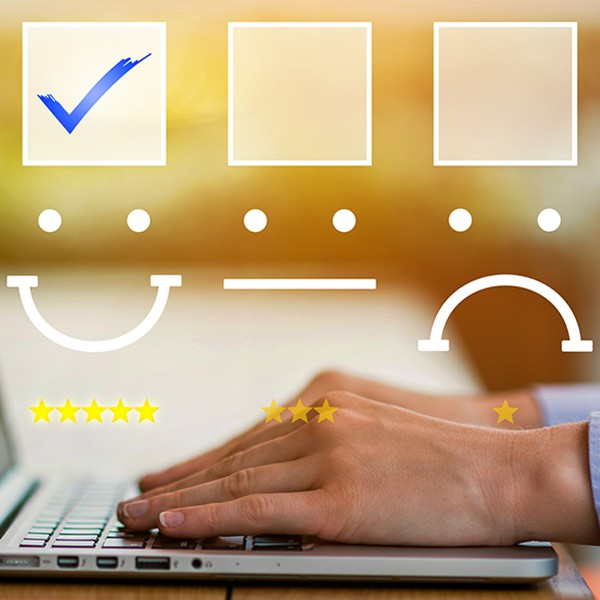 Customer Experience KPIs: Your Roadmap to Customer Success In the ever-competitive digital landscape, customer experience (CX) reigns supreme. Simply offering a worthy product or service is no longer enough.
 Customer Service vs. Customer Experience: Unveiling the Secrets of Happy Customers Knowing the distinction between customer service and customer experience (CX) is essential in today's cutthroat business environment when client loyalty is critical.
 How to Craft a Seamless Digital Experience: Strategies to Captivate Customers In today's fiercely competitive digital landscape, providing a superior digital customer experience (CX) is no longer a luxury; it's a necessity.
 Unlocking Growth: A Guide to Offshore Outsourcing for U.S Companies In today's international tech market, U.S. corporations continually seek methods to improve operations, decrease expenditures, and gain a competitive edge.