How To Build a Career in Pakistan’s Call Center Industry

Let’s bust a major myth right out of the gate: working in a call center isn’t just a stopgap job. Neither is it something you do temporarily while waiting for a better opportunity. In Pakistan, the Business Process Outsourcing (BPO) and customer experience sector has evolved into a massive, multi-billion-dollar juggernaut. From the bustling tech hubs of Karachi and Lahore to the expanding setups in Islamabad and Faisalabad, modern contact centers are handling complex operations for global e-commerce brands, tech giants, and financial institutions.
So, how do you navigate this dynamic landscape and build a sustainable career path? Let’s dive deep into the essential roadmap for conquering Pakistan’s booming call center industry.
1. Master Foundational Communication Skills
It should come as no surprise that your voice, language fluency, and words are your primary tools in this industry. However, exceptional communication goes far beyond just speaking English or Urdu clearly. It requires a deep understanding of human interaction and cultural context.
Neutralizing Your Accent and Perfecting Fluency
Many call centers in Pakistan serve North American, European, or Middle Eastern markets. However, being able to communicate with international clients effortlessly is paramount. You don’t need a flawless foreign accent. But you do need clear pronunciation, appropriate pacing, and an understanding of cultural nuances. Therefore, eliminating regional slang and mastering neutral English pronunciation ensures that customers understand you on the first try. This instantly builds trust.
The Art of Active Listening
Elite call center professionals know that listening is just as important as speaking. You must train yourself to pick up on micro-cues, such as a customer’s tone of voice, sighs, or long pauses, to understand their emotional state. Instead of formulating your answer halfway through a customer’s sentence, listen completely. Paraphrasing their concerns back to them (e.g., Just to clarify, you’re experiencing this issue only after restarting your router, correct?) proves you are engaged and ensures you diagnose the root problem quickly without making them repeat themselves.
2. Upskill Your Tech Literacy and Adaptability
The days of simply picking up a landline phone and flipping through a physical binder are ancient history. Modern BPOs run on incredibly complex software ecosystems. If you want to stand out from the crowd during the hiring process and your initial training phase, you need to prove you are highly tech-savvy and comfortable multitasking across digital environments.
Therefore, to fast-track your career, get comfortable with the core technologies dominating the industry today:
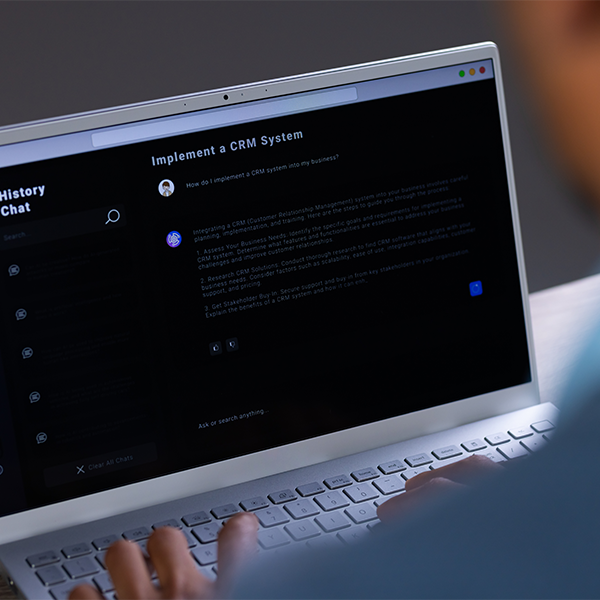
Customer Relationship Management (CRM) Software: Tools like Salesforce, HubSpot, and Zendesk are the gold standards for tracking customer interactions, histories, and profiles.
Omnichannel Ticketing Platforms: You will often need to juggle phone calls, live web chats, emails, and social media direct messages simultaneously.
Data Literacy and Knowledge Bases: Being able to navigate internal databases and rapidly search for technical documentation under pressure is what separates average agents from the top tier.
3. Develop Emotional Intelligence (EQ) and De-escalation Tactics
Let’s keep it real: working in customer support can be emotionally demanding. You will routinely deal with people facing frustrating billing errors or broken software. They aren’t angry with you personally, but you are the face of the company. You are the person who has to bear the brunt of their frustration.
This is where Emotional Intelligence (EQ) becomes your ultimate career superpower. Standing out requires an incredible amount of patience, empathy, and thick skin. De-escalation is a precise art form that involves three main pillars:
Maintaining Absolute Calm: Refusing to match the high, frantic, or hostile energy of an angry caller. Keeping your tone steady and reassuring automatically anchors the conversation.
Using Empathetic Phrasing: Shifting from rigid, robotic scripts to genuine human validation. Phrasing like “I completely understand why this billing discrepancy is incredibly frustrating, and I’m going to stick with you until we get this sorted out right now” instantly lowers a customer’s defenses.
Lowering the Emotional Temperature: Systematically guiding a hostile interaction away from emotion and toward a structured, collaborative solution.
Managers closely monitor Customer Satisfaction (CSAT) scores. If you can consistently turn an irate customer into a passionate brand loyalist, your name will jump straight to the top of the promotion list.
4. Understand and Optimize Key Performance Metrics
If you want to transition from an entry-level agent to a corporate management track, you have to speak the language of numbers. Call centers are heavily data-driven environments, and your performance is constantly measured by specific metrics known as Key Performance Indicators (KPIs).
Therefore, to build a real career, you must master keeping these metrics in the green:
First-Call Resolution (FCR): The percentage of issues you resolve completely on the initial interaction without the customer needing to follow up. High FCR is the holy grail of customer service because it indicates problem-solving skills.
Average Handle Time (AHT): The total duration of a call, including talk time and the post-call wrap-up time. While you want to keep AHT low to handle more volume, you must never sacrifice the human connection or rush the client.
Net Promoter Score (NPS) and CSAT: Direct reflections of how happy and satisfied the customer was with your service.
Overall, don’t just look at these numbers as a daily chore or a micro-management tool. Study your own metrics and ask your quality assurance (QA) team for constructive feedback. By treating your performance data as a personal scoreboard, you can prove your readiness for leadership.
Final Thoughts
All in all, building a successful career in Pakistan’s call center industry may be difficult, but it’s not impossible. All it requires is a unique blend of high-level human empathy, technical agility, and professional discipline. In fact, within the broader landscape of Worldwide CX Outsourcing, Pakistan’s call centers stand out as a true meritocracy where your hard work, communication skills, and punctuality are recognized and rewarded much faster than in many traditional corporate sectors.
Therefore, treat every call as an opportunity to sharpen your problem-solving abilities. Moreover, you must embrace the cutting-edge tech platforms and keep your sights firmly set on leadership. The skills you cultivate on the contact center floor, ranging from data literacy to advanced negotiation, are completely transferable and will open doors for you globally.
So, step up to the microphone with confidence, dedicate yourself to continuous learning, and watch your career trajectory take off!
Recent Blogs

















-






































 The Importance of Customer Service in the BPO Industry The Business Process Outsourcing (BPO) industry is evolving, and a critical function it provides is the often under-appreciated customer service.
 Customer Experience KPIs: Your Roadmap to Customer Success In the ever-competitive digital landscape, customer experience (CX) reigns supreme. Simply offering a worthy product or service is no longer enough.
 Customer Service vs. Customer Experience: Unveiling the Secrets of Happy Customers Knowing the distinction between customer service and customer experience (CX) is essential in today's cutthroat business environment when client loyalty is critical.
 How to Craft a Seamless Digital Experience: Strategies to Captivate Customers In today's fiercely competitive digital landscape, providing a superior digital customer experience (CX) is no longer a luxury; it's a necessity.
 Unlocking Growth: A Guide to Offshore Outsourcing for U.S Companies In today's international tech market, U.S. corporations continually seek methods to improve operations, decrease expenditures, and gain a competitive edge.