What Does It Take to Work in an International Automotive Company

Have you ever wondered how a Japanese sedan manufactured in Nagoya finds its way onto a driveway in Kenya, or how European engineering standards sync seamlessly with South American import regulations? The global automotive industry operates as a massive, synchronized orchestra. Every day, professionals across continents coordinate design, manufacturing, shipping, compliance, and sales to keep things moving.
Naturally, working in an international automotive business offers an exhilarating career path. It presents opportunities to solve complex global challenges, collaborate across diverse cultures, and participate in a trillion-dollar trade ecosystem. However, stepping into this field requires more than just a passion for cars. Consequently, you need a distinct blend of technical understanding, cross-cultural competence, analytical thinking, and adaptability.
So, whether you want to manage vehicle export supply chains or craft digital marketing campaigns for buyers, it’s all here. This guide details exactly what it takes to land a role and thrive in an international automotive firm.
The Evolving Landscape of Global Automotive Trade
The automotive industry no longer operates within isolated domestic borders. Today, vehicle manufacturers, export trading firms, and technology vendors work together in a deeply integrated global marketplace. Therefore, understanding this broader context helps you identify where your skills fit best.
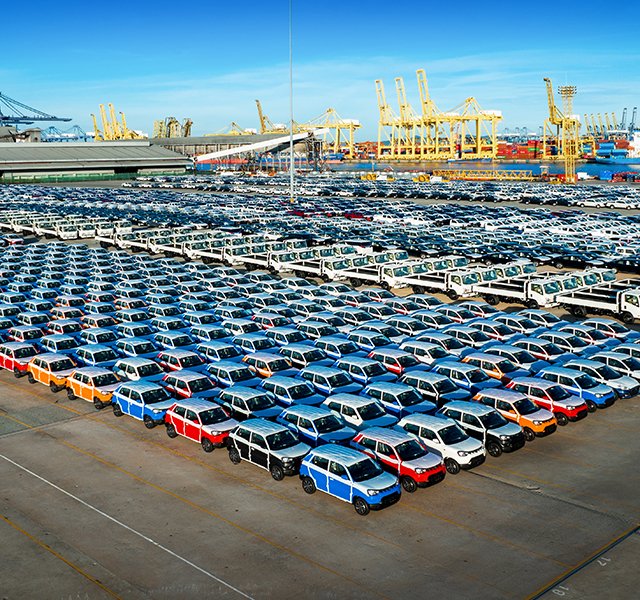
To grasp the magnitude of this industry, consider the massive volume of vehicles traded internationally every year. Global automotive exports represent one of the largest categories of international trade. While traditional manufacturing giants like Japan, Germany, the United States, and South Korea dominate vehicle production, emerging export hubs across Asia and Eastern Europe actively expand their footprint.
Furthermore, the industry is undergoing a massive transformation. The rapid shift toward electric vehicles (EVs), connected car technology, and online purchasing platforms changes how companies market, sell, and ship cars across borders. As a result, modern automotive companies seek results-driven professionals who understand both traditional automotive logistics and modern digital ecosystems.
Core Operations: What International Automotive Companies Actually Do
To build a career in this industry, you must first understand the fundamental business models that drive international automotive operations. While car enthusiasts often picture design studios or assembly lines, the global automotive ecosystem encompasses several critical sectors:
Original Equipment Manufacturers (OEMs): Companies that design and build vehicles from scratch, managing global brand footprints.
Vehicle Export Trading Firms: Companies that specialize in sourcing, inspecting, selling, and shipping brand-new or high-quality pre-owned vehicles across international borders.
Automotive Supply Chain & Logistics Providers: Specialized firms that manage maritime shipping, customs clearance, port terminal handling, and inland transport.
Digital Automotive Platforms: Tech-driven platforms that connect global vehicle suppliers directly with individual buyers, dealerships, and commercial fleets worldwide.
Working at a global export firm or a cross-border vehicle platform requires you to think beyond local commerce. Instead, you focus on international trade compliance, currency fluctuations, multi-modal transport networks, and localized buyer behavior.
Essential Skills for Building a Career in the Global Automotive Sector
Entering an international automotive company requires a strategic mix of hard and soft skills. Although specific requirements vary by department, successful global professionals share several core competencies:
Cross-Cultural Communication and Multilingual Ability
Working across continents means communicating with colleagues, customs officials, freight forwarders, and customers who speak different languages. Moreover, businesses often operate under distinct business customs.
Consequently, strong English proficiency acts as a baseline requirement, while fluency in languages such as Japanese, Spanish, French, Arabic, or Chinese offers a competitive edge. Above all, cultural empathy enables you to build lasting business relationships across diverse markets.
Knowledge of International Trade and Regulatory Compliance
Every country enforces unique import restrictions, safety standards, tariff schedules, and documentation requirements. For instance, importing a used vehicle into New Zealand involves strict biosecurity inspections, whereas shipping cars to East Africa requires specific pre-export verification of conformity (PVOC) certificates. Therefore, understanding Incoterms (like FOB, CIF, or CFR), bill of lading procedures, and tariff structures makes you an invaluable asset to any automotive export team.
Data-Driven Decision-Making and Market Analysis
Modern automotive companies rely heavily on market intelligence to decide which inventory to source and where to allocate marketing resources. As a result, professionals who analyze market trends, track used-car valuation indexes, and forecast demand patterns stand out immediately. All in all, whether you work in procurement, sales, or logistics, strong analytical skills help companies minimize holding costs and maximize profit margins.
Technical Aptitude and Industry Literacy
You do not need an engineering degree to work in automotive business management, but you certainly need industry literacy. For instance, understanding engine displacement categories, fuel efficiency metrics, drive configurations (2WD vs. 4WD/AWD), transmission types, and EV battery health metrics allows you to communicate confidently with buyers and suppliers alike.
The Role of Technology in Modern Automotive Expansion
The days of selling vehicles solely through traditional local showrooms have evolved into a sophisticated digital commerce model. Today, international vehicle buyers research, inspect, finance, and purchase cars entirely online. This shift makes digital infrastructure central to international growth.
Global automotive organizations invest heavily in robust digital platforms to showcase inventory transparently with high-resolution imagery, 360-degree vehicle tours, and detailed inspection sheets. Consequently, marketing and technology teams play a critical role in driving customer growth across international borders.
By leveraging targeted digital customer acquisition and marketing solutions, international automotive firms reach buyers in over a hundred countries simultaneously. Professionals who understand digital sales funnels, search engine optimization, performance advertising, and localized user experience design continue to enjoy exceptional career demand in this space.
Key Challenges You Will Solve in an International Environment
Working in a global automotive business offers immense rewards, but it also presents unique challenges. Thriving in this environment requires resilience and proactive problem-solving.
Navigating Supply Chain Disruptions: Global events, port congestion, and shipping line re-routings require swift contingency planning.
Managing Currency Volatility: Cross-border vehicle sales involve fluctuating exchange rates, demanding smart pricing strategies and financial hedging awareness.
Adapting to Regional Regulatory Shifts: Governments frequently update import age limits, emissions thresholds, and import tariffs. Professionals must stay ahead of regulatory changes to avoid costly port delays.
Bridging Time Zone Differences: Operating across global markets often requires flexible coordination with partners operating on different schedules.
Ultimately, navigating these complexities creates an engaging, fast-paced work environment where no two days feel identical.
How to Prepare Yourself for a Career in the Automotive Industry
If you want to build a rewarding career in global automotive trade, you can take practical steps today to position yourself as an outstanding candidate:
Develop Core Industry Literacy: Foundation phase
Follow automotive trade news, study vehicle export regulations in major markets, and learn the mechanics of global shipping (RoRo vs. containerized shipping).
Master Commercial and Analytical Tools: Technical skill-building
Gain proficiency in CRM platforms (like Salesforce or HubSpot), data analytics software (Excel, SQL, or Tableau), and digital marketing tools.
Enhance Your Cross-Cultural Skill Set: Professional Communication
Practice international business communication, learn a second language relevant to trade hubs, and develop a deep appreciation for cross-cultural negotiation etiquette.
Build a Targeted Professional Profile: Job Application Strategy
Tailor your resume and LinkedIn profile to highlight transferable skills such as project management, cross-border sales, supply chain coordination, or digital marketing expertise.
Why Choose a Career in International Automotive Trade?
Working in an international automotive company connects you directly to the engine of global trade. You witness the direct impact of your efforts as vehicles cross oceans to empower businesses, families, and communities across the globe.
Furthermore, global automotive companies offer clear paths for professional advancement. Because these firms operate at scale, dedicated professionals quickly gain exposure to multi-departmental projects, international business travel, and leadership roles. Whether you manage supply chain networks or create digital marketing strategies that connect with buyers thousands of miles away, the industry rewards initiative, creativity, and analytical thinking.
If you enjoy fast-paced environments, global collaboration, and tangible business outcomes, explore open roles at rexD. Furthermore, we’re currently hiring for multiple positions across different teams. Find out where your skills can take you.
Recent Blogs

-





















































 The Importance of Customer Service in the BPO Industry The Business Process Outsourcing (BPO) industry is evolving, and a critical function it provides is the often under-appreciated customer service.
 Customer Experience KPIs: Your Roadmap to Customer Success In the ever-competitive digital landscape, customer experience (CX) reigns supreme. Simply offering a worthy product or service is no longer enough.
 Customer Service vs. Customer Experience: Unveiling the Secrets of Happy Customers Knowing the distinction between customer service and customer experience (CX) is essential in today's cutthroat business environment when client loyalty is critical.
 How to Craft a Seamless Digital Experience: Strategies to Captivate Customers In today's fiercely competitive digital landscape, providing a superior digital customer experience (CX) is no longer a luxury; it's a necessity.
 Unlocking Growth: A Guide to Offshore Outsourcing for U.S Companies In today's international tech market, U.S. corporations continually seek methods to improve operations, decrease expenditures, and gain a competitive edge.