How Does the Used Car Export Industry Work in Pakistan?

When people think about global automotive trade, countries like Japan, Germany, and the United States often dominate the conversation. However, the global landscape is changing fast. Pakistan has rapidly emerged as a crucial strategic hub in the international automotive supply chain. While domestic car sales frequently grab headlines, a dynamic and sophisticated ecosystem powers the export, re-export, and global cross-border trade of vehicles, auto parts, and specialized automotive services from Pakistan.
Therefore, understanding how the used car export industry works in Pakistan requires looking beyond just cars on a ship. Instead, you must look at a complex network of international sourcing, rigorous quality inspections, digital marketplaces, customs clearance, and seamless global logistics. Furthermore, behind every single vehicle shipped across borders sits a team of skilled professionals managing operations and client relations.
So, whether you are curious about global commerce or seeking a thrilling career path in an international company, here is a complete breakdown of how this industry operates.
The Core Foundations: Sourcing and Re-Export Dynamics
To understand the used car export mechanism in Pakistan, you must first understand the difference between direct domestic exports and regional re-export trading hubs.
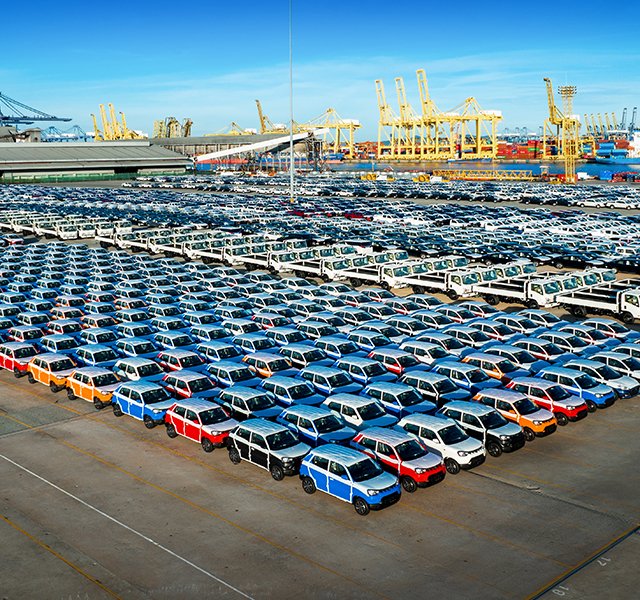
Historically, Pakistan imports significant volumes of Japanese Domestic Market (JDM) vehicles under various duty schemes. However, Pakistan also functions as a vital operational and administrative node for global export houses like SBT Japan. Local traders and international firms leverage Pakistan’s strategic geographic position near the Arabian Sea to coordinate the flow of pre-owned vehicles to emerging markets across Africa, Central Asia, and parts of the Middle East.
First, exporters acquire inventory through several primary channels:
Global Digital Auctions: Exporters connect directly to Japanese, European, and North American vehicle auction platforms. Specialists in Pakistan analyze auction sheets, evaluate vehicle conditions, and bid on units in real time.
Local Sourcing and Commercial Trade: Companies source well-maintained, domestically driven commercial vehicles, tractors, and special-purpose utility vehicles for specialized overseas buyers who demand cost-effective transport solutions.
Transshipment Operations: Exporters utilize Pakistani ports as efficient transit hubs. Here, teams coordinate documents, hold inventory in bonded yards, and prepare shipments for final delivery destinations.
However, global buyers require absolute transparency. Therefore, the sourcing process depends heavily on precise evaluation and data verification before a single dollar changes hands.
Quality Control, Inspection, and Vehicle Refurbishment
Buying a used vehicle from thousands of miles away requires immense trust. Therefore, export firms place heavy emphasis on standardization, rigorous inspection, and professional refurbishment.
Once a company secures a vehicle, it enters a structured quality assurance pipeline:
Comprehensive Inspection: Certified mechanics and technical experts evaluate every vehicle. They check structural integrity, engine health, transmission smoothness, electrical systems, and odometer authenticity.
Refurbishment and Detailing: Skilled automotive technicians handle necessary mechanical repairs, bodywork touch-ups, and thorough interior detailing. This step ensures the vehicle satisfies the import standards of the destination country.
Digital Verification Reports: Documentation teams compile exhaustive photographic evidence, video walkthroughs, and detailed mechanical reports. Consequently, international buyers review every detail before confirming the final dispatch.
Overall, by maintaining high-quality standards, operators build strong reputations that keep overseas clients coming back for repeat orders.
Technical Documentation, Customs, and Global Compliance
Transporting a heavy asset across international borders involves navigating intricate legal and regulatory frameworks. Indeed, a single documentation error can halt a shipment at port, incurring expensive demurrage fees.
Exporters in Pakistan employ dedicated compliance and logistics officers to handle complex paperwork seamlessly. First, teams verify the original registration, title certificates, and de-registration papers from the country of origin. Next, they secure export permits and customs releases from local regulatory bodies. Finally, they generate accurate Bills of Lading, Certificates of Origin, and specialized inspection certificates (such as JCI or QISJ) required by importing nations in East Africa or Central Asia.
Furthermore, managing international monetary transfers requires strict adherence to banking regulations. Financial teams coordinate payments using secure Letters of Credit (LCs) or direct telegraphic transfers. This ensures complete safety for both the exporter and the global buyer.
Ocean Logistics: Ocean Freight and Shipping Logistics
Once customs authorities clear a vehicle, the logistics team takes center stage to manage physical shipping. However, moving thousands of cars annually demands deep expertise in global freight forwarding.
Exporters generally choose between two primary shipping methods:
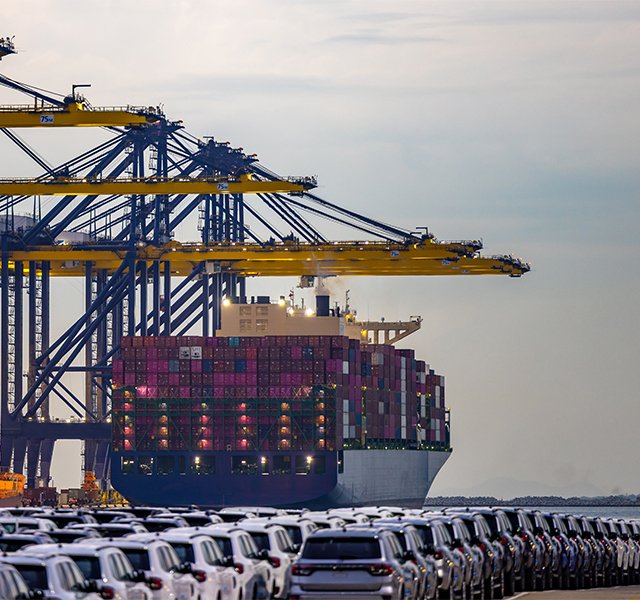
Roll-on/Roll-off (RoRo): Specialized vessels allow drivable cars to roll directly onto the ship’s enclosed decks. This method offers the most cost-effective solution for standard passenger cars and commercial fleets.
Containerized Shipping: For premium luxury vehicles, high-value cars, or non-drivable units, teams secure vehicles inside standard 20-foot or 40-foot ocean containers. Container shipping provides maximum protection from marine elements and allows exporters to ship spare parts alongside the vehicle.
Logistics coordination requires tracking vessel schedules, managing port terminal clearances, and sending real-time tracking updates to the destination port.
The Engine Behind the Industry: Operations and Business Services
What truly keeps this massive international trade running smoothly around the clock? The answer lies in digital infrastructure and global customer engagement.
A car export business cannot thrive without world-class communication channels. Because buyers operate across different time zones, languages, and cultures, top-tier export organizations rely on dedicated customer support and business process solutions to drive sales, resolve logistics queries, and build long-term relationships.
These operational teams handle vital front-line and back-office functions:
Multilingual Client Support: Representative teams communicate directly with clients in English, French, Spanish, or Arabic to answer vehicle queries and guide buyers through purchasing steps.
Account Management: Dedicated account managers assist commercial fleet buyers, dealership owners, and individual customers from initial inquiry all the way to final delivery.
Digital Marketing and Lead Generation: Strategists run targeted international campaigns to attract global buyers and direct them to digital vehicle inventories.
ERP and Inventory Management: Data entry specialists and software operators keep auction listings updated, track shipping status, and process sales invoices in real time.
All in all, this operational backbone transforms traditional automotive trading into a modern, fast-paced tech-enabled service sector.
Why You Should Consider a Career in International Automotive Operations
Choosing the right industry can define your professional trajectory for decades. The automotive export and international business services sector stands out as a top choice for forward-thinking talent for several reasons:
Exposure to Global Markets: You interact daily with clients, shipping lines, and auction houses across Asia, Africa, Europe, and the Americas. As a result, you build a truly global professional mindset.
High-Growth Environment: The demand for reliable, affordable mobility never wanes. Therefore, as developing economies grow, the appetite for quality pre-owned vehicles continues to expand rapidly.
Competitive Compensation and Rewards: Because export companies generate foreign revenue, they frequently reward top performers with highly competitive salary packages, performance incentives, and fast-track promotions.
Modern Work Culture: Leading international export firms invest heavily in employee training, modern office spaces, advanced CRM tools, and inclusive corporate cultures that foster innovation.
Final Thoughts
To sum it up, the used car export industry in Pakistan represents far more than shipping vehicles overseas. It stands as a testament to modern global trade, advanced logistics, and exceptional customer management. Moreover, by combining physical automotive expertise with modern digital operations, this sector connects markets around the globe while creating meaningful, high-paying career opportunities locally.
If you enjoy fast-paced problem-solving, thrive in international team environments, and want to play a direct role in driving global commerce, check out our open positions today to build your career in the thriving automotive export industry.
Recent Blogs


-



















































 The Importance of Customer Service in the BPO Industry The Business Process Outsourcing (BPO) industry is evolving, and a critical function it provides is the often under-appreciated customer service.
 Customer Experience KPIs: Your Roadmap to Customer Success In the ever-competitive digital landscape, customer experience (CX) reigns supreme. Simply offering a worthy product or service is no longer enough.
 Customer Service vs. Customer Experience: Unveiling the Secrets of Happy Customers Knowing the distinction between customer service and customer experience (CX) is essential in today's cutthroat business environment when client loyalty is critical.
 How to Craft a Seamless Digital Experience: Strategies to Captivate Customers In today's fiercely competitive digital landscape, providing a superior digital customer experience (CX) is no longer a luxury; it's a necessity.
 Unlocking Growth: A Guide to Offshore Outsourcing for U.S Companies In today's international tech market, U.S. corporations continually seek methods to improve operations, decrease expenditures, and gain a competitive edge.